
"pick good"
10000 article(s) found

Coffee Manor in Nicaragua introduces Lemon Manor Fine Coffee beans
Although Nicaragua is a country with a large territory in Central America, it is not a big producer in the coffee world, and its output and reputation are much weaker than that of its neighbor Costa Rica. But the high-quality Nicaraguan coffee is in the forefront of coffee beans in the world and enjoys a good reputation. Traditional Nicaraguan coffee farmers are used to the subsequent processing of coffee fruits by washing.

Two simple ways to treat coffee beans after picking
Harvested fruit must be processed immediately, otherwise it will begin to ferment and produce off-flavor coffee beans. There are two methods of treatment: solarization and washing, which cause different flavors. The beans of solarization method have complete natural mellow taste, gentle aroma and more colloid; the washing method has good mellow taste, high aroma and certain acidity. The mellow taste is strong
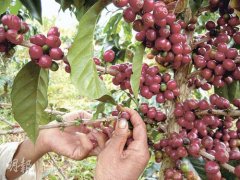
The process of picking coffee beans in Laos records how to pick coffee beans?
Bolaven Cafe comes with clear Americano for breakfast. When picking Arabica beans, use hands to twist them one grain at a time. Pick only ripe fruits in bright red, not green (immature) or dark brown (rotten). The transparent flesh tastes sweet, and coffee beans are wrapped in hard shells in the middle. Generally speaking, coffee trees will bear beans after two or three years of growth and can be picked in four years.

Introduction to the characteristics of the grindability of coffee from Tianyi Manor in Nicaragua
In order to ensure the quality of coffee, the manual picking method is used to pick the fully ripe fruits one by one, which usually takes three times to complete. Although the manual picking method has high labor cost and low picking efficiency, it can greatly protect the plant from being hurt in the picking process, and the mature fruit will have better sweetness at the same time.

How about Panamanian Duncan Manor Coffee beans? which brand of Panamanian coffee is better?
Professional barista exchanges please pay attention to the coffee workshop (Wechat official account cafe_style) Kotowa also attaches great importance to the ecological environment, does not use any chemical fertilizers at all, uses cherry peel pulp and other parts to create high-nutrition compost to conserve coffee trees and give back to the land. Not only in 2006 Panamanian environmental protection agency nominated Kotowa Coffee as the Panama National Environmental Protection Award.

Panamanian Duncan Manor hand data how to drink Panamanian Duncan Manor Coffee
For the exchange of professional baristas, please follow the Duncan hand made by the coffee workshop (Wechat official account cafe_style). 15g powder, medium grinding (small Fuji ghost tooth cutter 4 grinding), v60 filter cup, 88-89 degrees water temperature, 30g water injection for the first time, steaming for 27 seconds, water injection to 105g water cut off, wait for the water volume of powder bed to be reduced to half and then water injection, slow water injection until 225g water, do not use water at the end.
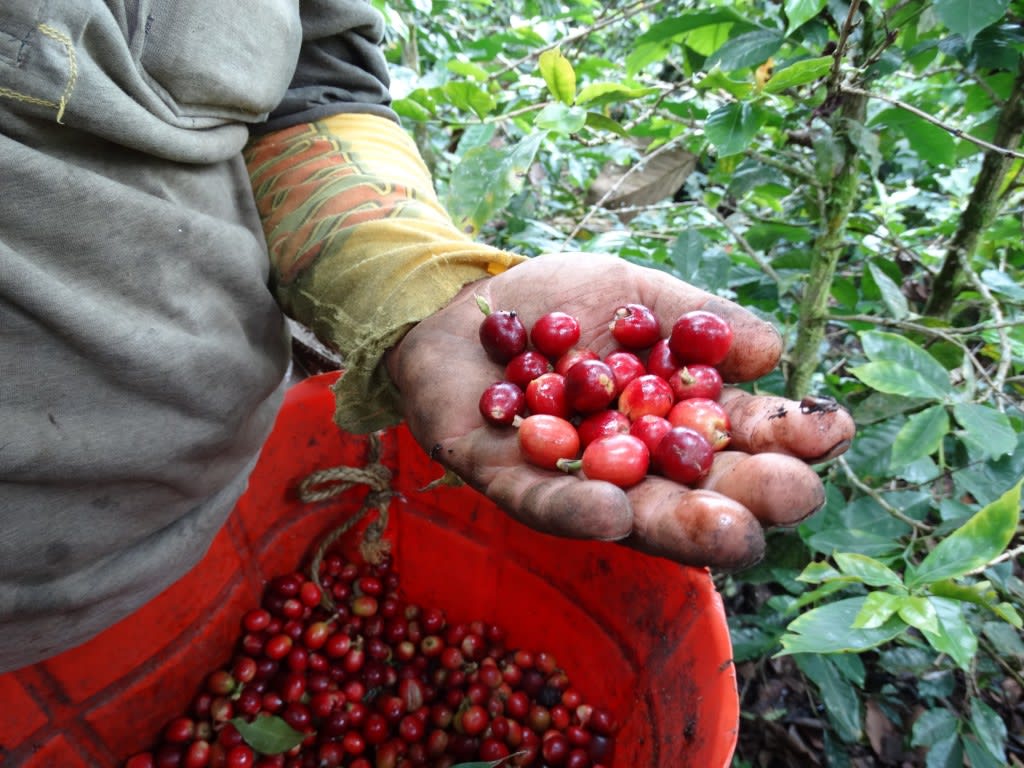
The difference between fine coffee beans and commercial coffee beans. Why can boutique beans be sold
Professional coffee knowledge exchange more coffee bean information please follow the coffee workshop (Wechat official account cafe_style) what makes boutique coffee so special? We know that the quality of boutique coffee is much better than commercial beans, but why? Does it mean that the coffee fruit already has these favorite flavors and characteristics when it is picked from the tree? If only it were that simple! Follow

Introduction to the methods of variety treatment in Ethiopian coffee flavor description and grinding degree production area
Washed coffee accounts for 35% of exports. Good quality washed coffee is processed with freshly picked fully ripe fruit, picked carefully and closely monitored by professionals. The picked clean coffee beans are pulped on the day of picking, then fermented, washed, dried and peeled. The humidity of processed coffee beans is kept at about 12%. Sun-cured coffee accounts for 65% of exports. Mainly by

Introduction to the basic knowledge of Fine Coffee
First, the planting and regional distribution of coffee trees. Botanically, coffee trees belong to the subgenus Rubiaceae, but coffee beans, commonly known as coffee beans, are actually the seeds of the fruit of coffee trees, just because they are shaped like beans, so they are called coffee beans. Climate is the decisive factor for coffee cultivation. Coffee trees are only suitable for growing in the tropics or subtropics, so the latitude between south and north is between 25 degrees.

Good mellow natural washing coffee washing processing method step by step processing method
1 Skin/Pulp: the outermost layer of the coffee bean is covered with berry-like skin and pulp. In addition to the natural sun method, coffee beans treated by other methods must remove the skin and flesh within a few hours after picking. Similar to the cherries we often eat, the difference is that when we eat cherries, we mainly eat the pulp and peel of berries. For coffee.

Panama Duncan Estate Duncan Poquete Sun-baked Kadura Coffee Bean Types, Brand Recommendations and Brands
Professional barista exchanges, please pay attention to coffee workshop (Weixin Official Accounts cafe_style ) Kadura is a single-gene variant of Bourbon Bourbon. It was discovered in Brazil in 1937. Its production capacity and disease resistance are better than Bourbon, and the tree is shorter, which is convenient for harvesting. Unfortunately, it has the same cycle problem of fluctuation of production capacity every two years as Bourbon. But its adaptability is strong, do not need shade tree, direct

Treatment of grinding degree and baking degree of San Juan Xido boutique coffee beans with large particle shape
Hongduras coffee bean particles are large in shape, uniform in size, uniform in color and glossy. In order to facilitate harvesting, farmers will prune the coffee trees to no more than 150 centimeters, because if they grow too high, they have to set up ladders to pick, which is not only time-consuming, but also may damage the trees by bending branches. As the ripening period of each fruit of the coffee bean is different, it is necessary to keep the coffee bean good.

Arabica Coffee Bean Picking Chart Features Price Origin Flavor Description Taste Treatment Introduction
Arabica coffee beans picking map characteristics price origin flavor description taste processing method introduction 1. Mechanical picking Mechanical picking is suitable for coffee plantations with flat land and large areas of cultivation. Afterwards, it is necessary to check the coffee beans picked by the machine and pick out the leaves and branches dropped in the funnel. Brazil often uses this method. Advantages: Low cost and high efficiency Disadvantages: Automated machine harvesting will harvest
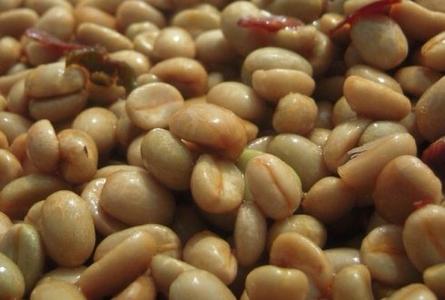
How to make coffee from newly picked coffee beans
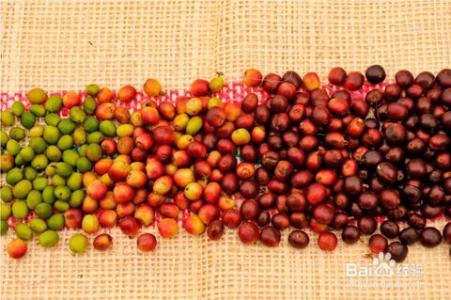
How do newly picked coffee beans be made into Coffee Taiwan Bay Coffee blossoms every spring and produces turquoise coffee fruit after fade, which ripens for six to eight months. The color of the exocarp of coffee fruit gradually turns red, and the color changes from light red to dark red, and then to dark red. When the color of coffee peel changes to crimson and dark red, it has the best maturity and is the best time to harvest. Such as

A brief introduction to the origin, development, history and culture of the well-balanced San Juan Xido boutique coffee beans in Honduras
High-quality coffee in Honduras uses water washing to deal with coffee beans, usually after soaking, when the defective fruit will surface, it can be discarded first. Then put the good fruit into the fruit peeling machine and peel off the peel with the rotating force of the machine. Peeled fruits are screened by machines to select fruits of high quality. Usually the bigger the fruit.
Introduction to the taste of Ethiopian sun-dried Yega Shifeiwaka coffee beans
According to the law, all coffee is sold through an auction held by Addis and DiRedawa. During the coffee harvest season, such auctions even wash coffee twice a day, accounting for 35% of exports. Good quality washed coffee is processed with freshly picked fully ripe fruit, picked carefully and closely monitored by professionals. Picked clean coffee beans are being picked
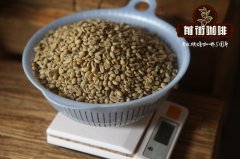
What are the picking methods of coffee beans? Is manual picking better for the quality of coffee beans?
Professional coffee knowledge exchange more coffee bean information please pay attention to the coffee workshop (Wechat official account cafe_style) what are the picking methods of coffee beans? Is manual picking better for the quality of coffee beans? There are three main ways to harvest coffee beans: 1. Stripping: the coffee fruits that are ripe (red) and unripe (green) on the branches are strung together

Special fine coffee beans
Anyone who has baked coffee knows that no matter how good the boutique manor coffee is, even the COE award-winning coffee will inevitably be mixed with a small amount of defective beans. So sometimes in pursuit of a better flavor, roasters pick up coffee beans that are noticeably flawed before or after roasting.

A brief introduction to the Origin, Development, History and Culture of Fine Coffee beans in Honduras
Honduran coffee can lead to multiple levels of flavor depending on the degree of roasting. Moderate baking can maximize the sweetness of beans, while deep baking increases bitterness, but sweetness does not disappear. Generally speaking, medium roasting has the best taste and rich and unique aroma, which is favored by coffee lovers in Honduras. High-quality coffee in Honduras is washed.

Introduction to the varieties of Grinding scale of Coffee Bean Flavor description in Xia Qiso producing area of Ethiopia
Coffee bean flavor description treatment method of grinding scale variety introduction washed coffee accounts for 35% of exports in Xachiso area of Ethiopia. Good quality washed coffee is processed with freshly picked fully ripe fruit, picked carefully and closely monitored by professionals. The picked clean coffee beans are pulped on the day of picking, then fermented, washed, dried and peeled. After processing